There is no item in your cart

PProjective Tests are psychological assessment tools designed to uncover an individual’s hidden emotions, internal conflicts, and unconscious thought processes. Unlike structured tests that have fixed responses, projective tests involve open-ended tasks that encourage free expression. These tools are particularly useful in understanding personality dynamics, emotional struggles, and behavioral patterns that might not surface through direct questioning or observation.
Projective techniques are based on the idea that when individuals are presented with ambiguous or unclear stimuli—such as pictures, words, or scenarios—they tend to project their own internal experiences, fears, desires, and unresolved conflicts onto what they see or describe. This process reveals deeper aspects of their personality that may be influencing their emotions and behavior.
Commonly used projective tests include:
Thematic Apperception Test (TAT): Clients are shown a series of pictures and asked to create stories based on them. The stories reveal underlying thoughts, conflicts, motivations, and interpersonal dynamics.
Rorschach Inkblot Test: Individuals interpret abstract inkblot images, which helps psychologists explore perception, emotional functioning, and thought organization.
Draw-a-Person Test / House-Tree-Person Test (HTP): These drawing-based assessments are often used with children and can uncover self-image, relationships, trauma, and emotional distress.
Sentence Completion Tests: Clients are given incomplete sentences and asked to complete them. The responses offer insight into their thoughts, attitudes, and emotional concerns.
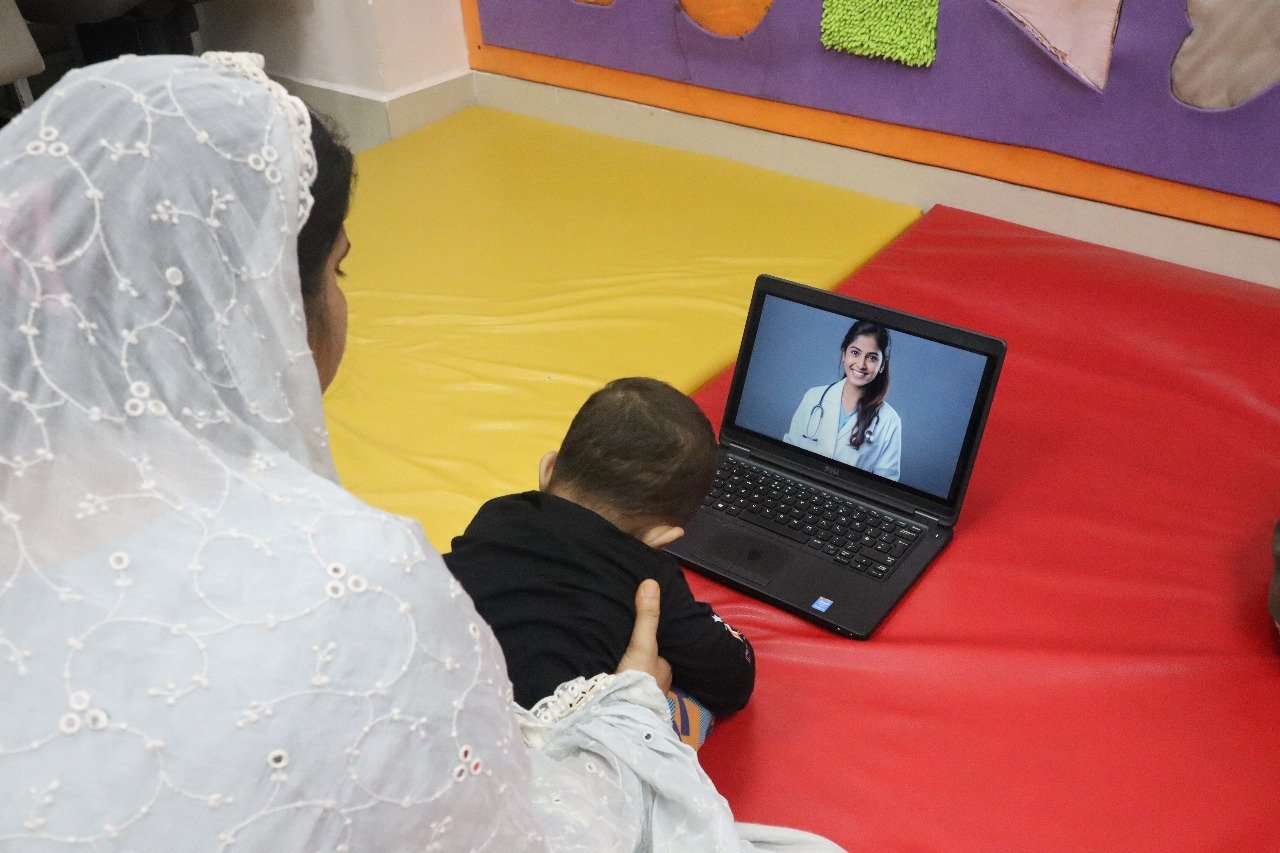
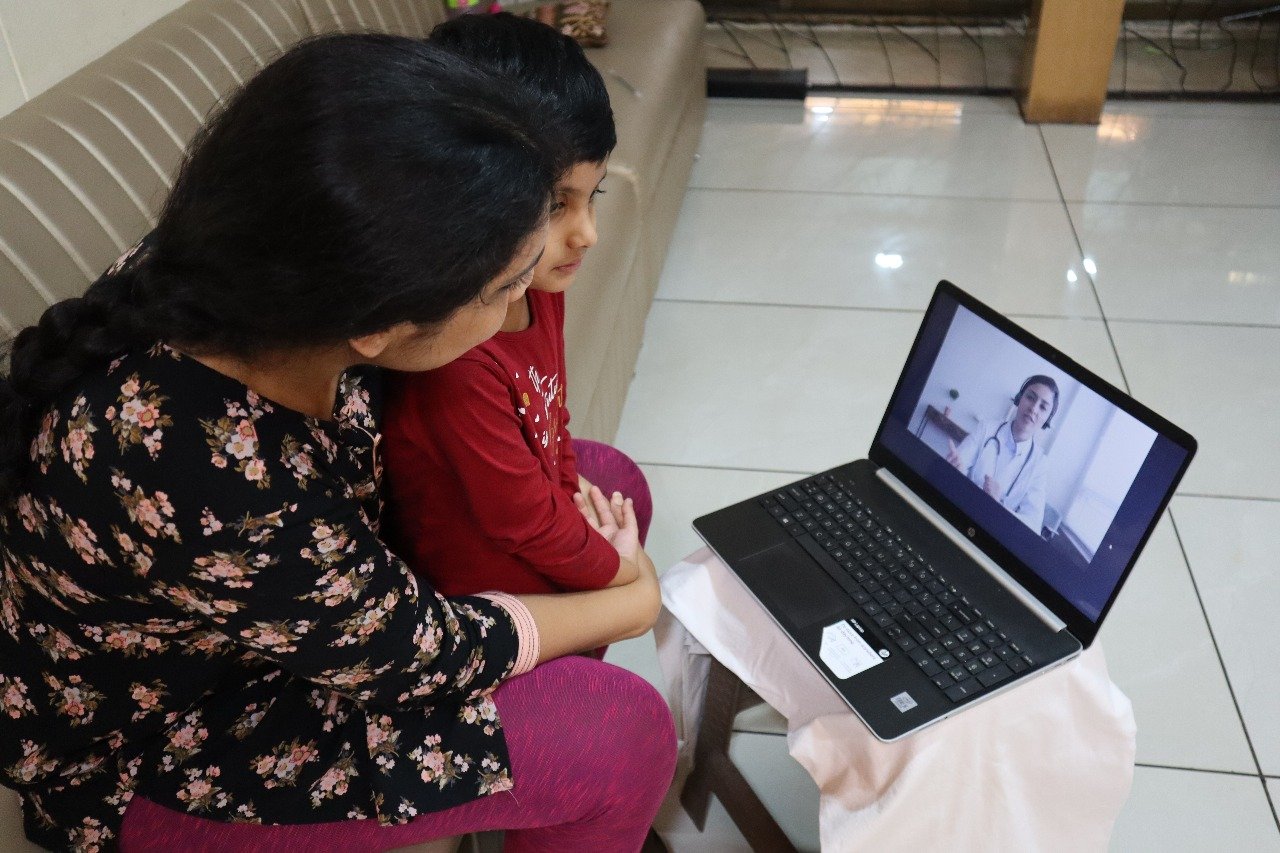
Projective tests are commonly used in therapeutic, educational, and forensic settings. In children and adolescents, they can be especially effective when verbal expression is limited. These tools help uncover issues such as anxiety, depression, trauma, aggression, identity confusion, and social difficulties.
The process of projective testing is always conducted by trained clinical or counseling psychologists. These assessments are not judged based on right or wrong answers but are interpreted in the context of the individual's background, behavior, and overall psychological profile.
After the test, the psychologist provides a comprehensive analysis and integrates findings into a broader psychological report. The insights gained through projective testing often guide therapy plans, behavioral strategies, family counseling, or school accommodations.
Projective tests offer a valuable window into the inner world of a child, adolescent, or adult—helping uncover what words often cannot express. When used with care and expertise, they can contribute to meaningful emotional healing and personal growth.