There is no item in your cart

NNeurological and Psychological Assessments are comprehensive evaluations designed to understand how the brain and mind are functioning. These assessments are essential tools used to identify cognitive, emotional, behavioral, and developmental issues that may be affecting a child, adolescent, or adult’s daily functioning, academic performance, or emotional well-being.
A Neurological Assessment focuses on the brain’s structure and function. It helps detect issues related to memory, attention, motor skills, language processing, sensory functioning, and executive functioning (like planning, organizing, and impulse control). These assessments are especially helpful when there is concern about brain injuries, developmental delays, seizures, learning disabilities, or neurodevelopmental disorders such as ADHD, Autism Spectrum Disorder (ASD), or intellectual disabilities.
On the other hand, a Psychological Assessment delves into emotional and behavioral functioning. It evaluates personality traits, emotional regulation, thought patterns, social skills, mood disorders (such as anxiety or depression), and stress-related concerns. This helps in diagnosing psychological conditions and tailoring appropriate treatment or therapeutic interventions.
These assessments are conducted using standardized tools such as:
IQ tests (e.g., WISC, Stanford-Binet)
Developmental scales
Attention and memory tests
Executive function assessments
Emotional and behavioral rating scales
Personality and projective tests (e.g., Rorschach, TAT)
Parent and teacher questionnaires
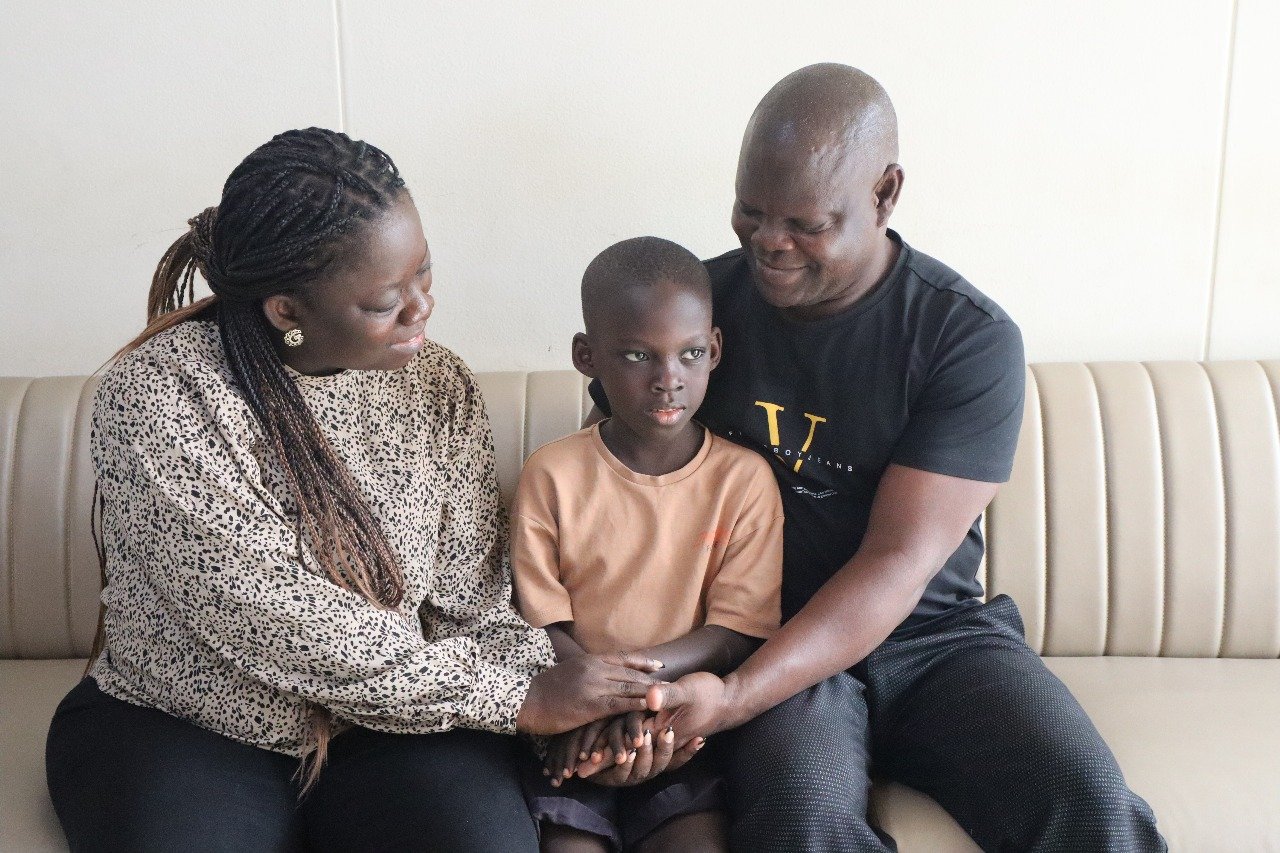
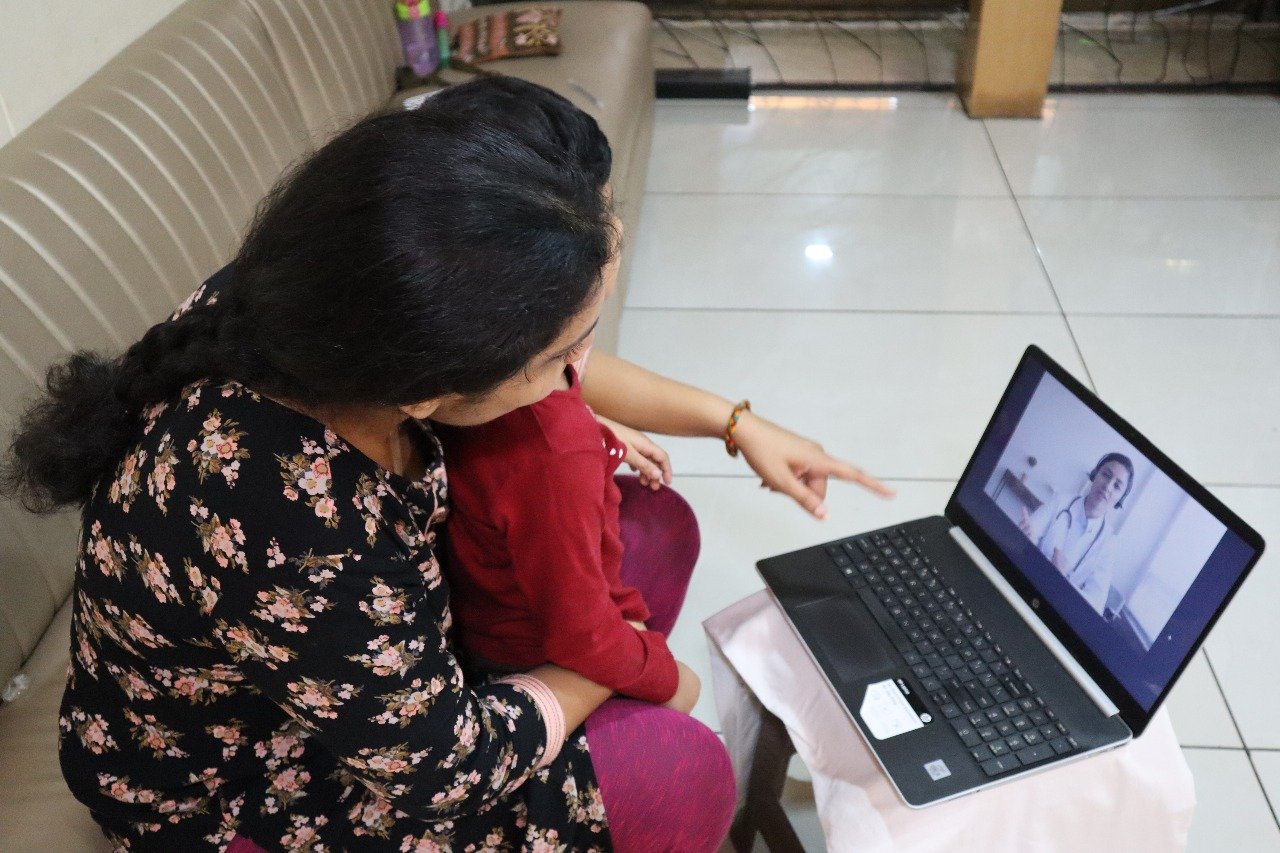
The assessment process usually begins with a detailed intake interview involving the child and parents (or the individual and caregivers). The psychologist gathers medical, developmental, academic, and social history to understand the presenting concerns thoroughly. Then, tailored testing sessions are conducted, often spread over multiple sittings depending on the individual’s age and attention span.
Once the testing is complete, the psychologist interprets the data and prepares a detailed report that includes diagnostic impressions, strengths and weaknesses, and personalized recommendations. These may include therapy options, academic accommodations, behavioral strategies, and referrals to other specialists if needed (e.g., neurologists, speech therapists, occupational therapists).
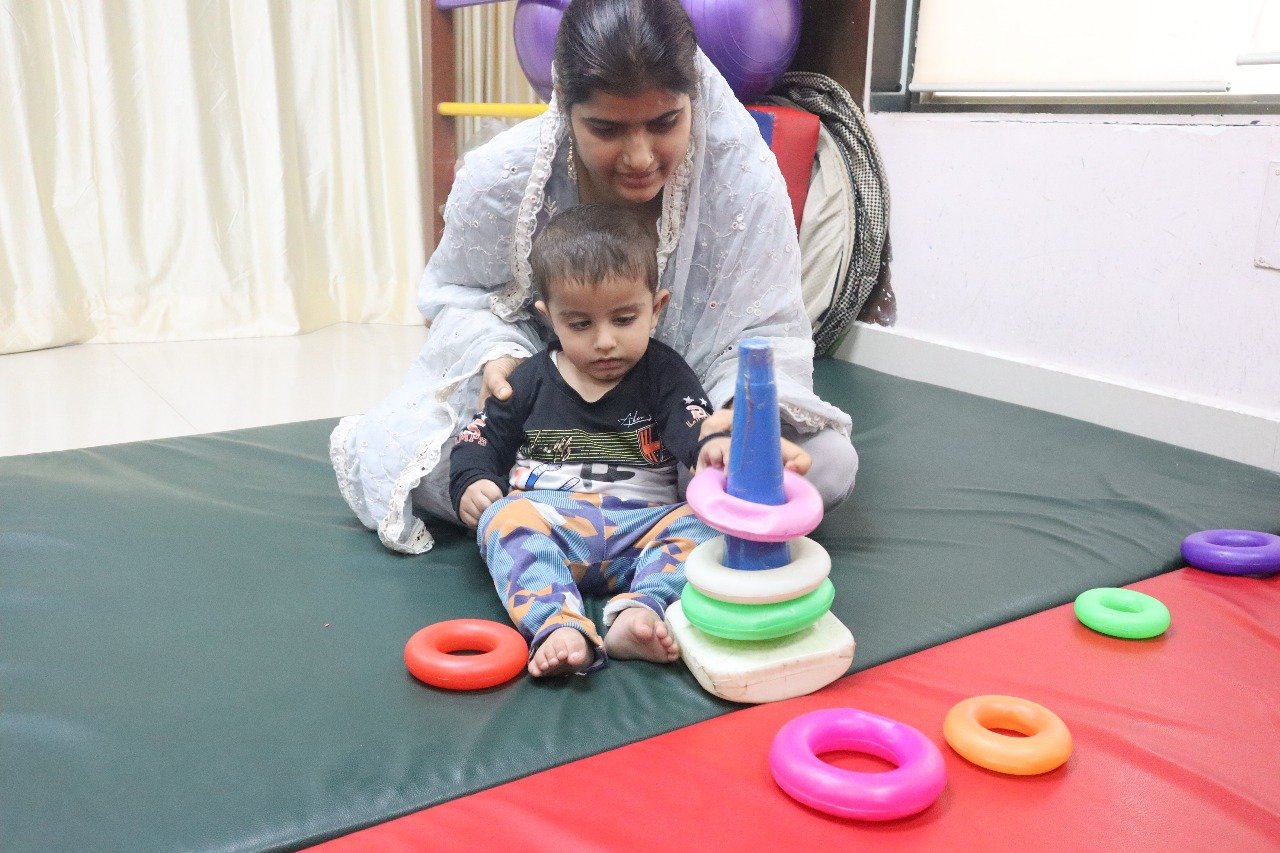
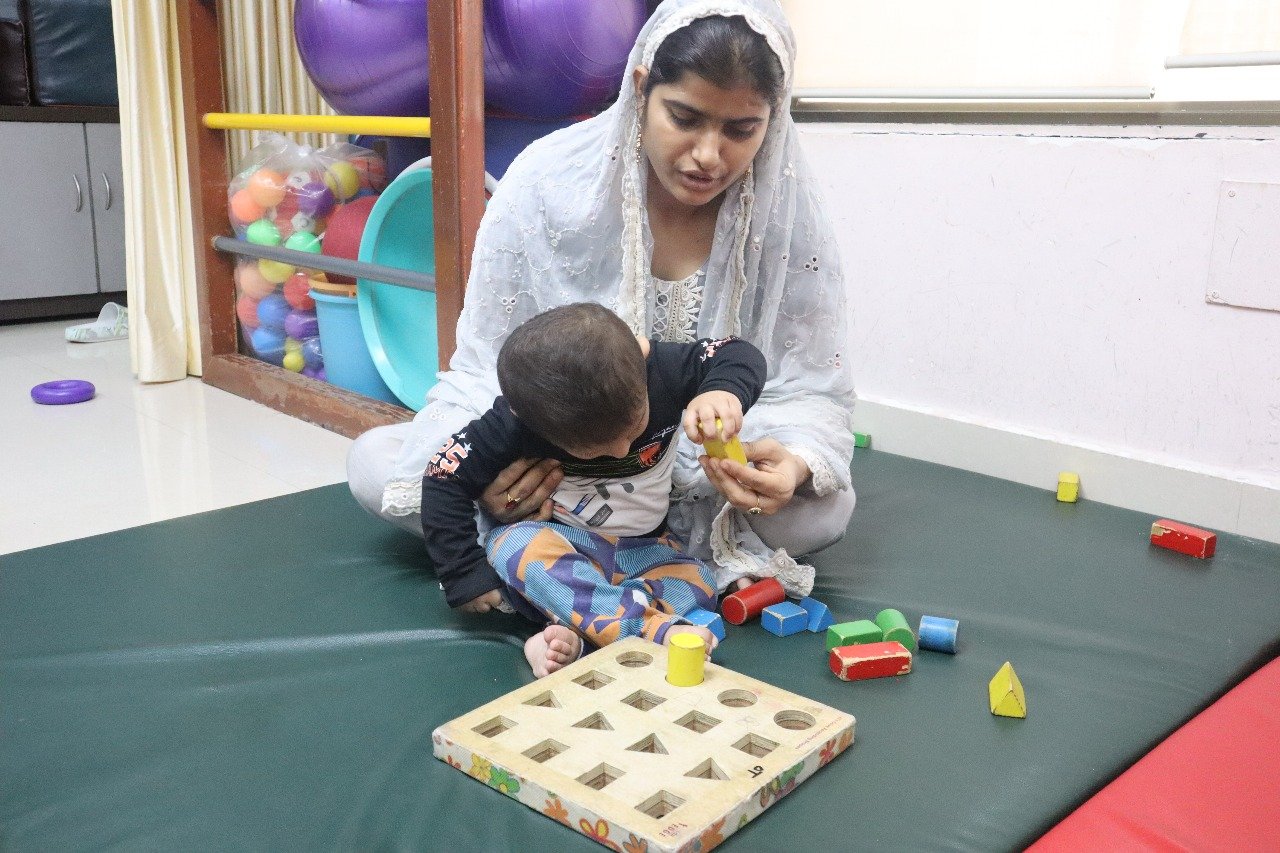
At our clinic, we conduct these assessments in a calm, child-friendly environment to ensure comfort and accurate results. Parents are involved throughout the process and are guided through the findings in a feedback session.
Neurological and Psychological Assessments are powerful tools that lead to early identification, targeted intervention, and improved long-term outcomes in a child’s emotional, cognitive, and behavioral development.