There is no item in your cart

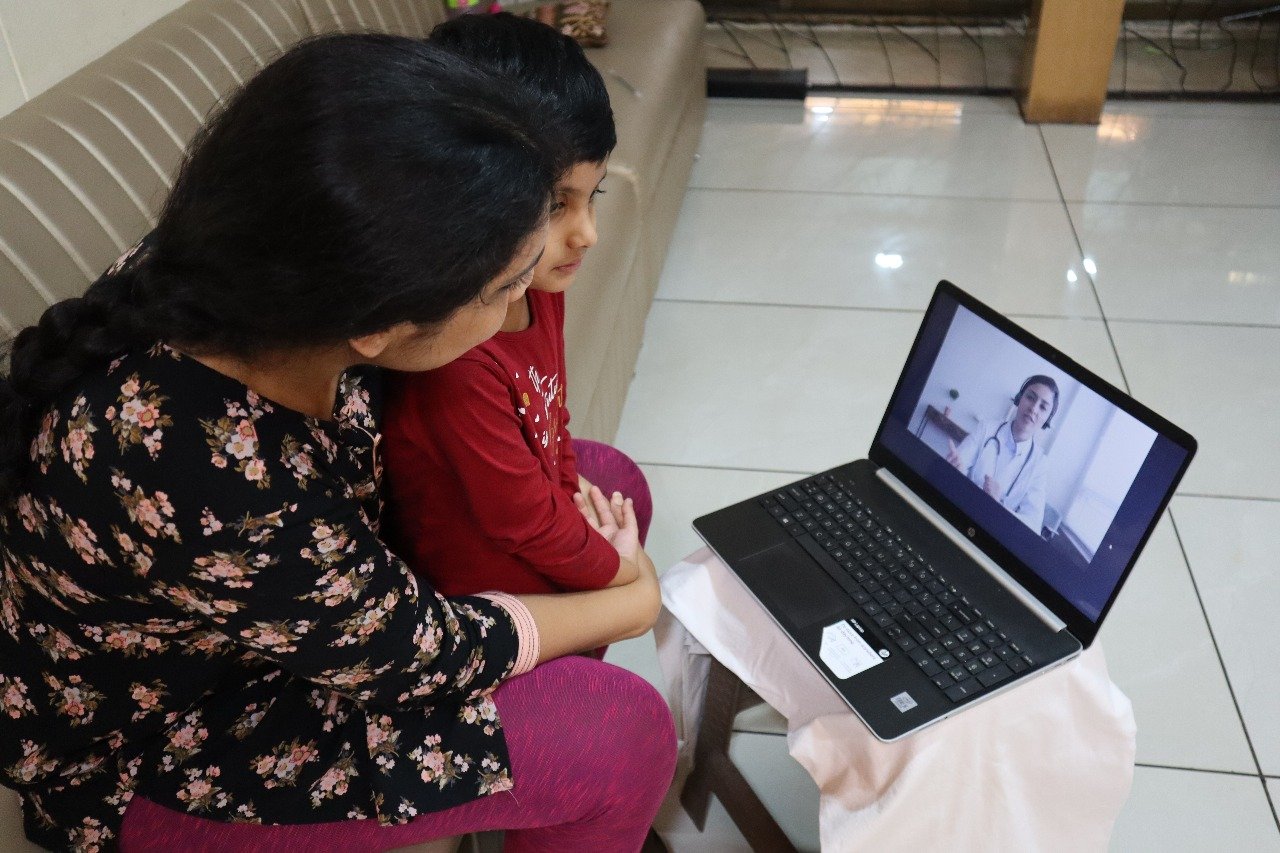
IIndividual counseling is a personal and confidential process in which a licensed mental health professional works one-on-one with a client to help them overcome emotional, psychological, or behavioral challenges. It offers a safe, supportive, and non-judgmental environment where clients can explore their thoughts, feelings, and experiences at their own pace.
The goal of individual counseling is to help individuals understand themselves better, resolve inner conflicts, improve emotional regulation, and develop effective coping mechanisms. Whether someone is dealing with anxiety, depression, trauma, grief, stress, self-esteem issues, relationship concerns, or significant life transitions, individual therapy provides a structured space to heal, reflect, and grow.
The counseling process typically begins with an initial assessment, during which the therapist gathers background information, understands the client’s primary concerns, and sets therapeutic goals in collaboration with the client. Based on these goals, the therapist may use various evidence-based approaches such as Cognitive Behavioral Therapy (CBT), Psychodynamic Therapy, Solution-Focused Therapy, or Mindfulness-Based Therapy. These techniques are selected to best address the individual’s unique needs, personality, and life circumstances..

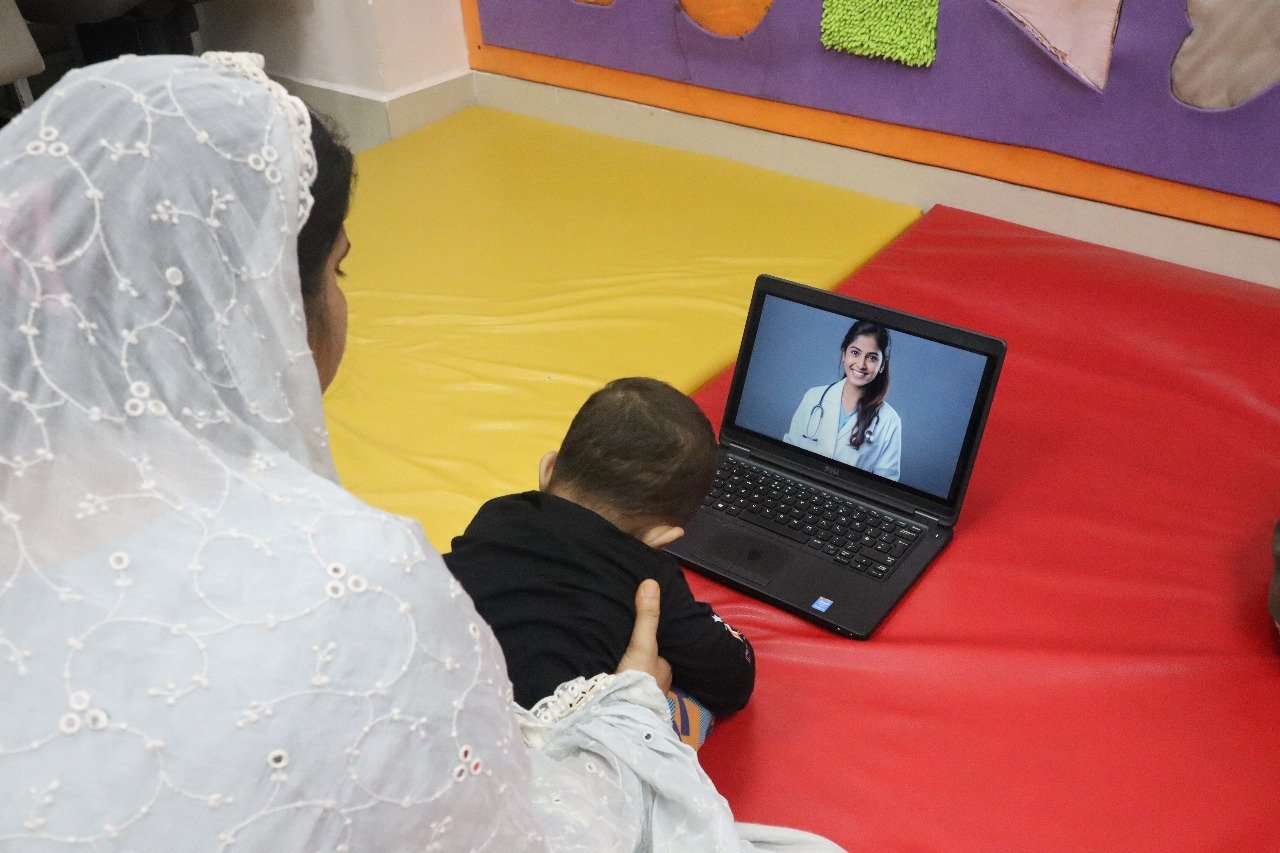
One of the key benefits of individual counseling is the personal attention it provides. Unlike group or family settings, the one-on-one format ensures that each session is solely focused on the client’s journey. This personalized approach fosters trust and therapeutic alliance, which are essential for meaningful change and emotional growth.
Throughout the therapy journey, clients often gain greater clarity and self-awareness, learn to manage difficult emotions more effectively, and begin to challenge negative thought patterns that may be holding them back. Many clients report feeling more empowered, confident, and emotionally balanced as they progress in therapy.
Individual counseling can be short-term, focusing on a specific issue or goal, or long-term for more complex concerns. Sessions are typically held weekly, lasting around 45–60 minutes, though the frequency and duration may vary based on the client’s needs.
In today’s fast-paced and often overwhelming world, individual counseling offers a valuable opportunity for self-care, emotional healing, and personal development. It is not just for times of crisis but can also be a proactive tool for building resilience, enhancing well-being, and creating a more fulfilling life..