There is no item in your cart

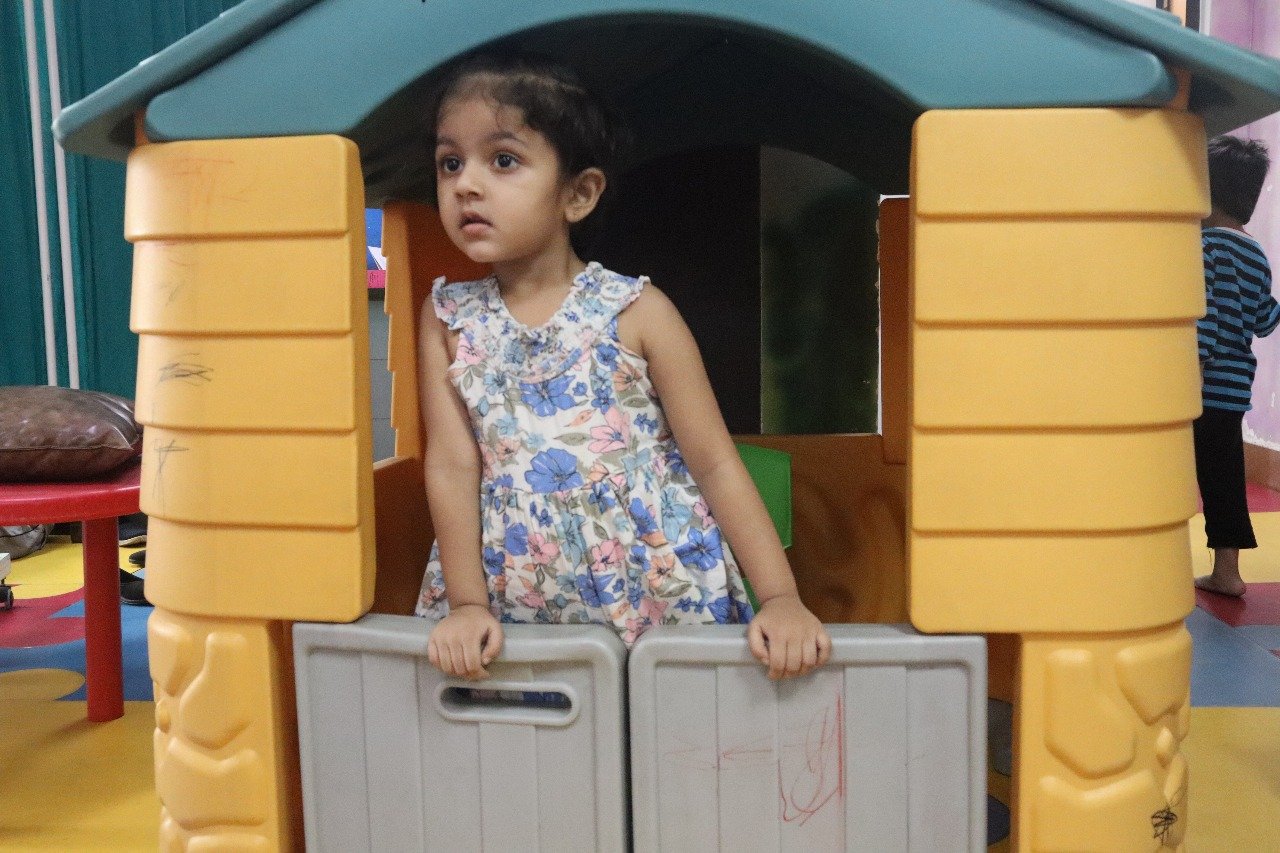
CCommunity-Based Mental Health Support for schools and student development is a proactive, collaborative approach aimed at promoting emotional well-being, resilience, and academic success among children and adolescents. In today’s fast-paced and often stressful environment, students face a wide range of mental health challenges, including anxiety, peer pressure, behavioral issues, academic stress, and emotional difficulties. Providing support within the community—especially through schools—ensures early intervention, accessibility, and continuity of care.
This model involves integrating mental health professionals and programs directly into educational settings. Trained counselors, psychologists, and child development specialists work closely with teachers, school staff, and families to identify struggling students, offer support, and build a positive mental health culture.
Key components of school and student development support include:
On-campus Counseling Services
Individual and group counseling sessions for students facing emotional, social, or academic challenges.
Teacher & Staff Training
Workshops and sessions to help educators recognize early warning signs of mental health issues and respond effectively.
Parent Education Programs
Guidance for parents on child psychology, managing stress at home, and supporting children’s emotional needs.
Psychoeducation Workshops for Students
Sessions on emotional regulation, self-esteem, coping with peer pressure, managing exam anxiety, and healthy social skills.
Screening & Early Intervention
Using psychological tools and behavioral checklists to identify students at risk and intervene before issues escalate.
Crisis Management & Support
Handling events such as bullying, grief, trauma, or behavioral outbursts with immediate psychological support.
Referral Services
Connecting families with specialized mental health services or therapy centers when intensive care is needed.
Community-based programs are especially effective because they meet children where they are—reducing stigma and increasing engagement. These initiatives empower students to speak up, seek help, and build emotional intelligence from an early age. They also create strong support systems that include educators, parents, and mental health professionals working in harmony.
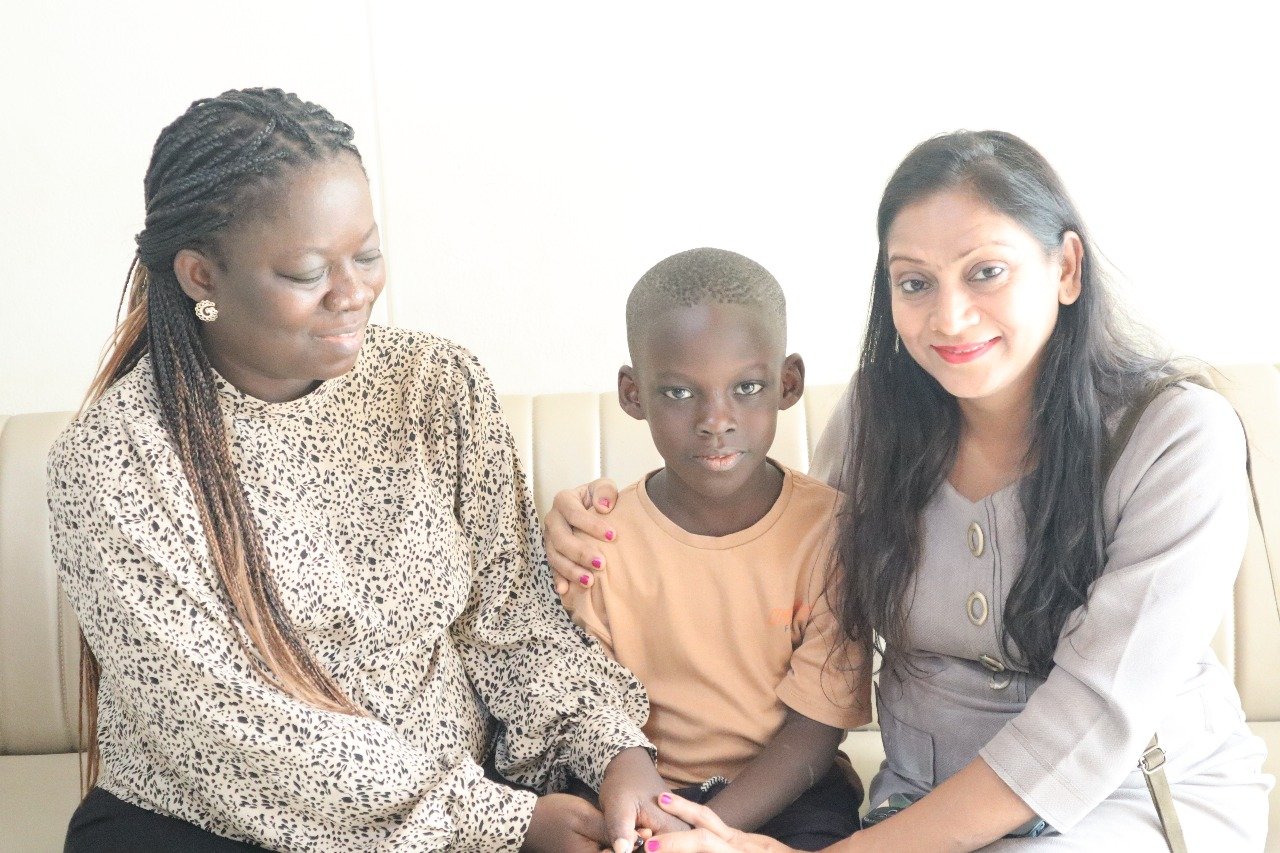

At our center, we design custom programs tailored to the specific needs of each school community. Our goal is to create emotionally safe, inclusive learning environments where students feel heard, supported, and equipped to handle life’s challenges.
Mental health is not separate from education—it is foundational to student growth. With strong community-based support, we can nurture healthier, happier, and more resilient children.