There is no item in your cart

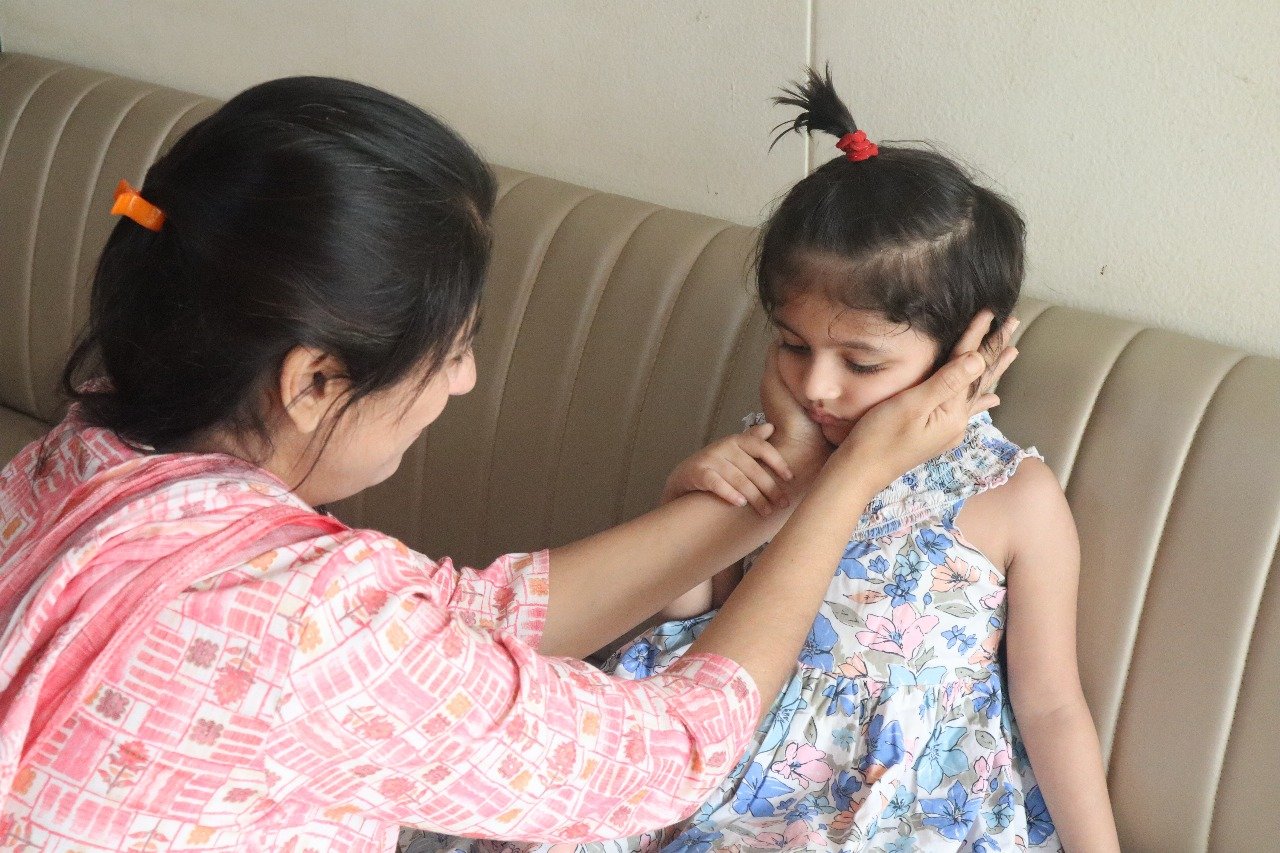
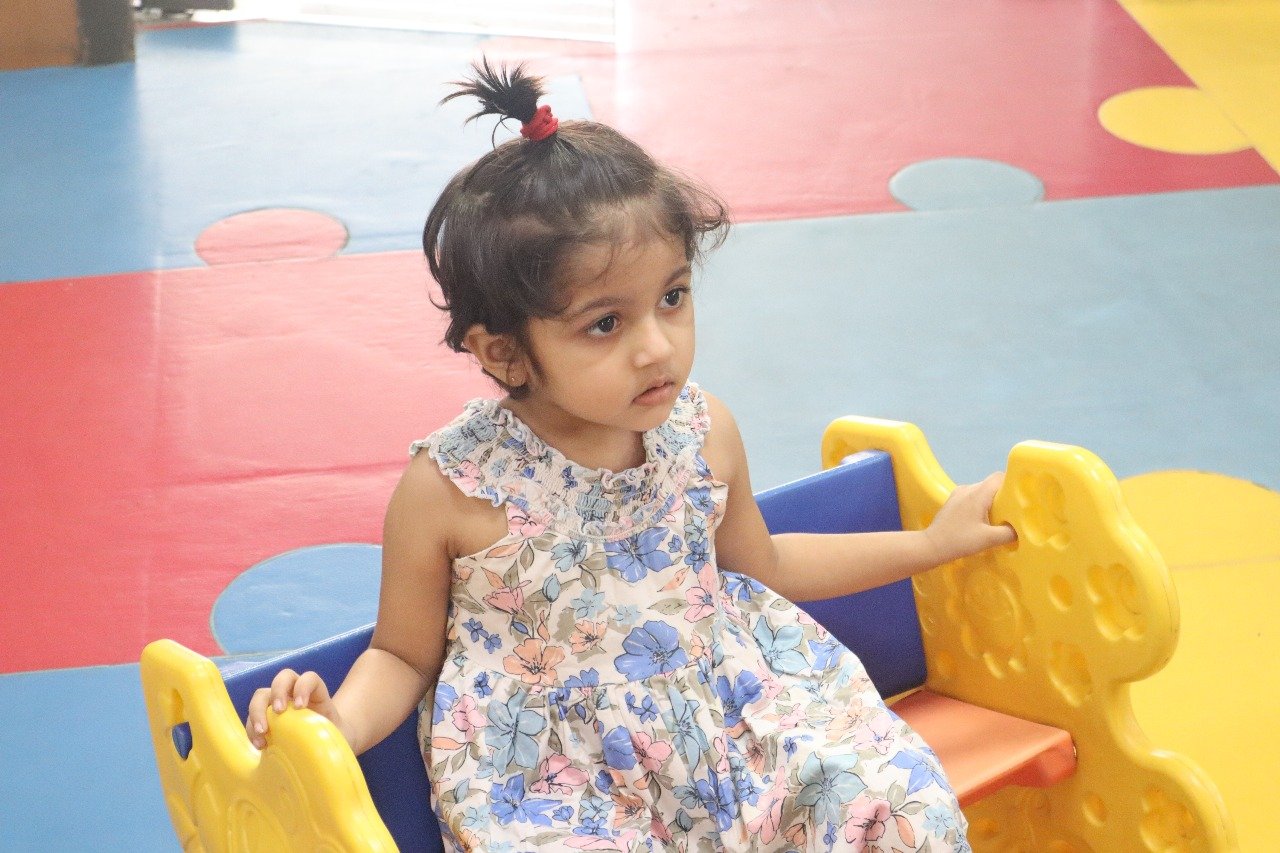
CChild and adolescent therapy is a specialized area of mental health care focused on helping young individuals manage emotional, behavioral, developmental, and psychological challenges. Children and teens experience rapid emotional and cognitive changes, and during this critical phase, they may face difficulties that affect their academic performance, social relationships, and overall well-being. Therapy provides a safe, nurturing environment where they can express themselves, build coping skills, and develop emotional resilience.
This form of therapy is tailored to suit the age, developmental stage, and unique personality of the child or teenager. It addresses a range of concerns, including anxiety, depression, attention-deficit/hyperactivity disorder (ADHD), autism spectrum disorder (ASD), school refusal, bullying, low self-esteem, trauma, grief, anger management, and family-related stress.
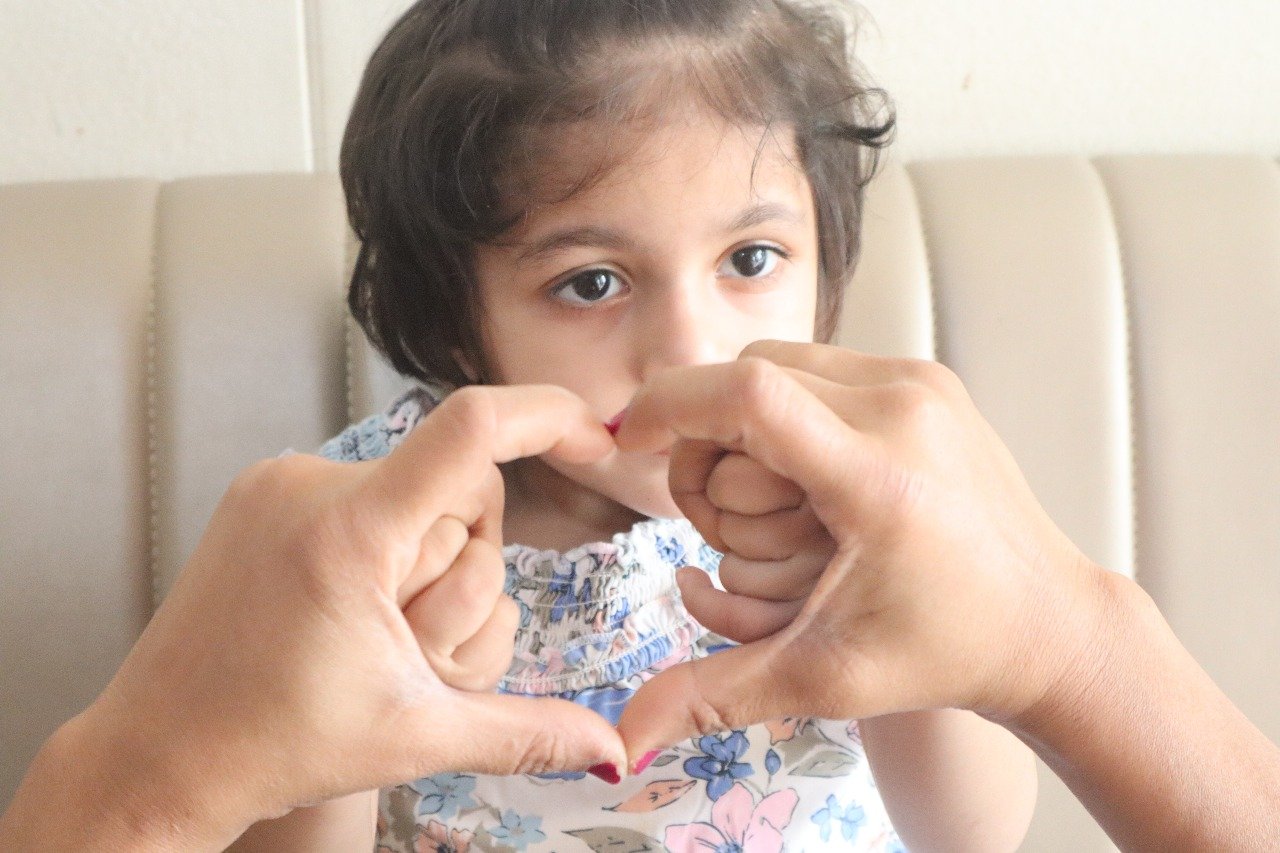
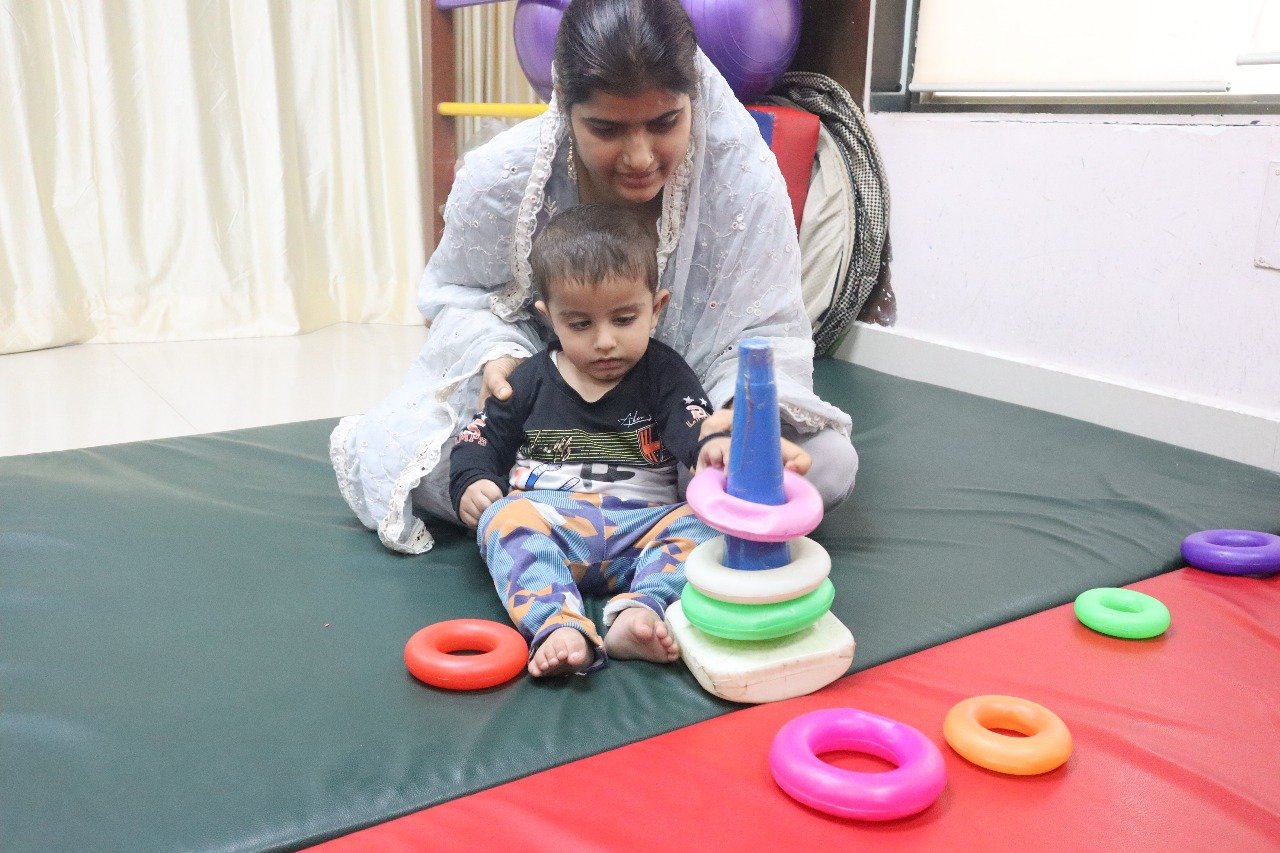
Therapists use a variety of age-appropriate techniques such as play therapy, art therapy, cognitive behavioral therapy (CBT), behavior modification, and family counseling. For younger children, play and creative expression are often used to help them communicate feelings that they may not be able to verbalize. For adolescents, more structured talk therapy and cognitive strategies are introduced to help them process their thoughts and emotions, set goals, and solve problems.

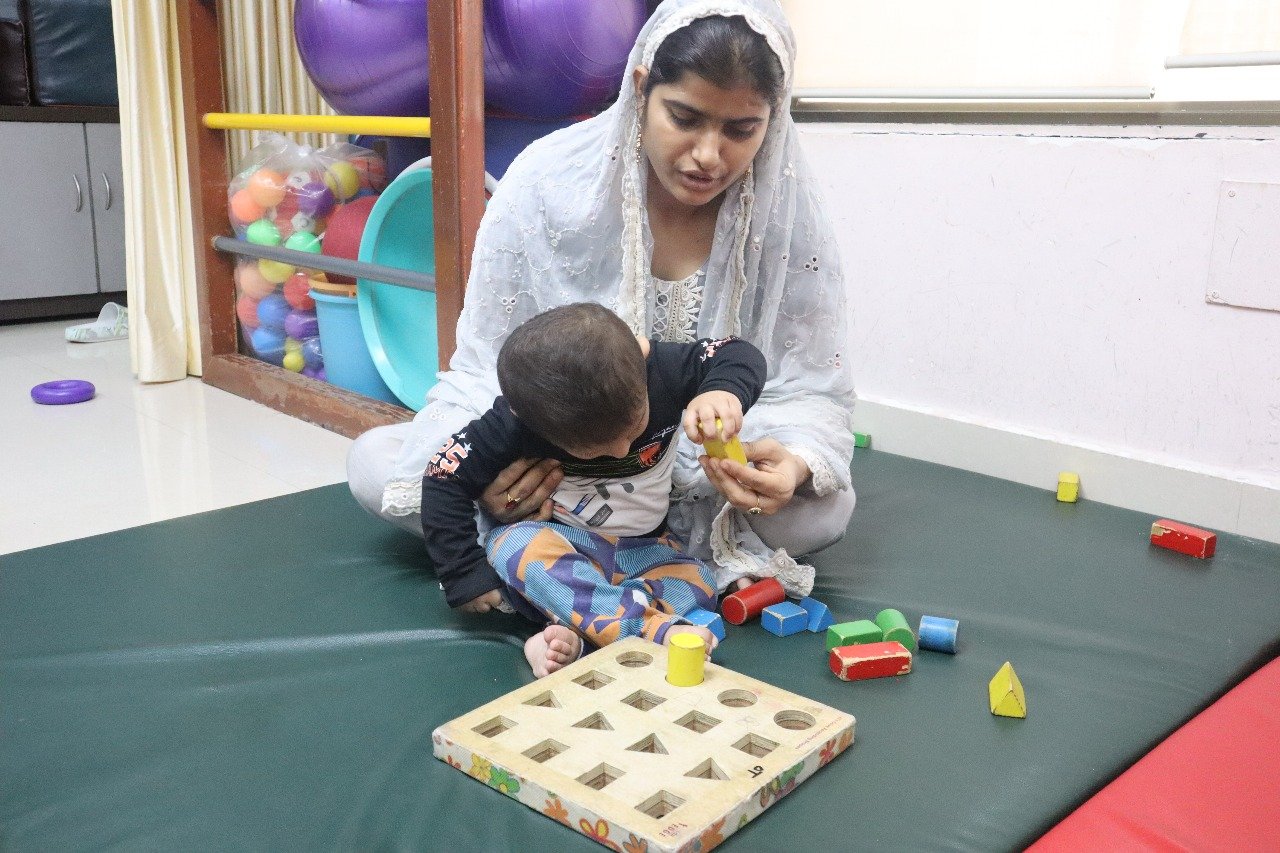
The therapy process typically begins with an initial assessment involving both the child and parents to understand the presenting issues, behavioral patterns, developmental history, and family dynamics. Based on this, a personalized treatment plan is created. Parental involvement is often encouraged, especially when working with younger children, to ensure consistency between therapy and home environments.
Child and adolescent therapy not only focuses on symptom relief but also on helping young individuals grow into emotionally healthy, confident, and socially capable individuals. The therapist works to improve emotional regulation, enhance self-esteem, boost communication and social skills, and support healthy identity development.
In many cases, collaboration with schools, pediatricians, and other professionals is included to provide a comprehensive support system for the child. Regular progress reviews ensure that therapy remains goal-oriented and adaptive to the child’s changing needs.
Early intervention through professional therapy can prevent minor issues from becoming long-term psychological concerns. With the right support, children and teens can thrive emotionally, socially, and academically..