There is no item in your cart

AAccurate assessment and diagnosis are the first and most critical steps in understanding and addressing behavioral and emotional issues in children, adolescents, and even adults. These challenges can significantly impact a person’s academic performance, social relationships, self-esteem, and daily functioning if left unrecognized or misunderstood.
Behavioral and emotional difficulties may present in many forms—such as excessive anger, withdrawal, anxiety, impulsivity, aggression, poor peer interactions, mood swings, or difficulty concentrating. These may be symptoms of underlying psychological conditions like ADHD, anxiety disorders, depression, Autism Spectrum Disorder (ASD), Oppositional Defiant Disorder (ODD), or emotional trauma.
Our comprehensive assessment process is designed to uncover the root causes of these concerns using a combination of clinical interviews, behavioral observations, and standardized psychological tools. This thorough evaluation helps differentiate between temporary behavioral patterns and more serious emotional or developmental disorders.
The process typically includes:
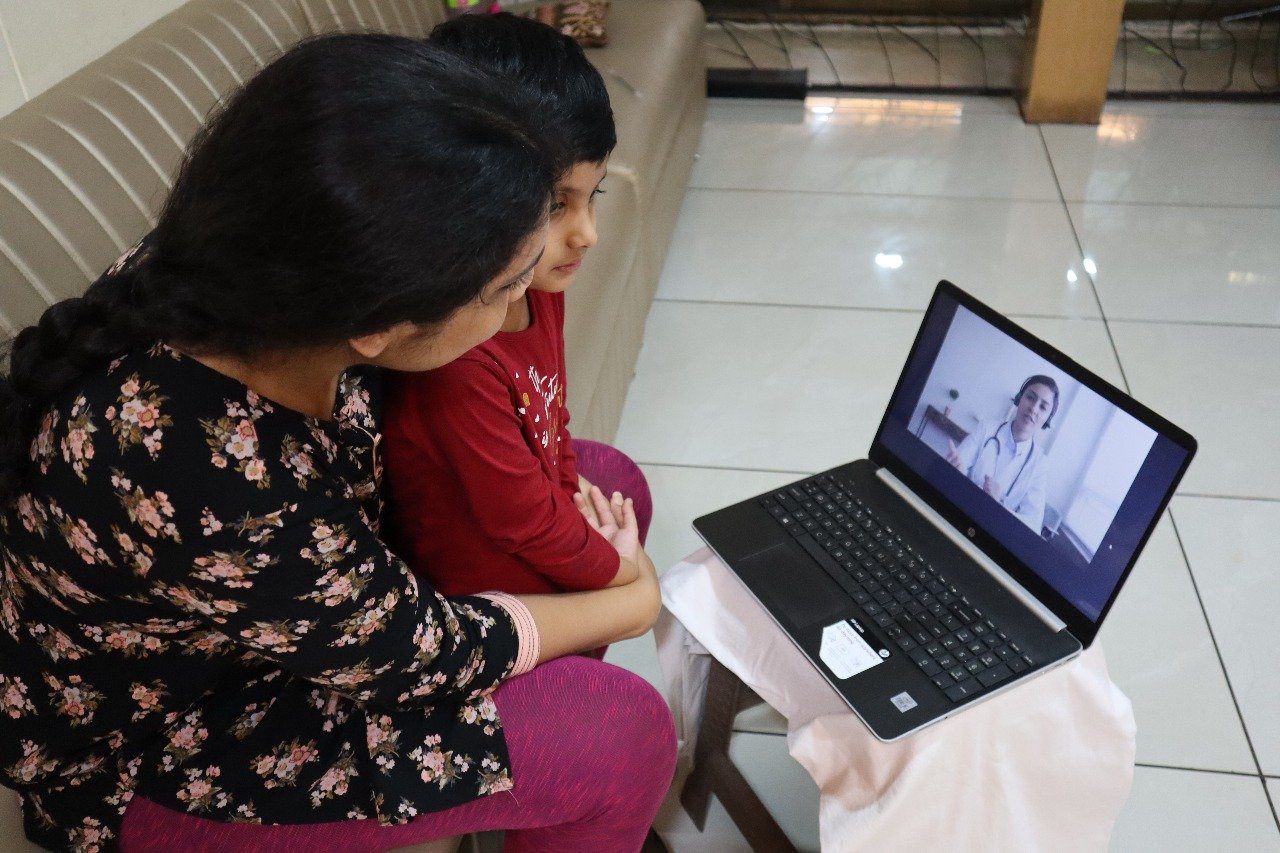
Initial Consultation: A detailed discussion with the child and caregivers to understand the presenting concerns, developmental history, family dynamics, and academic or social challenges.
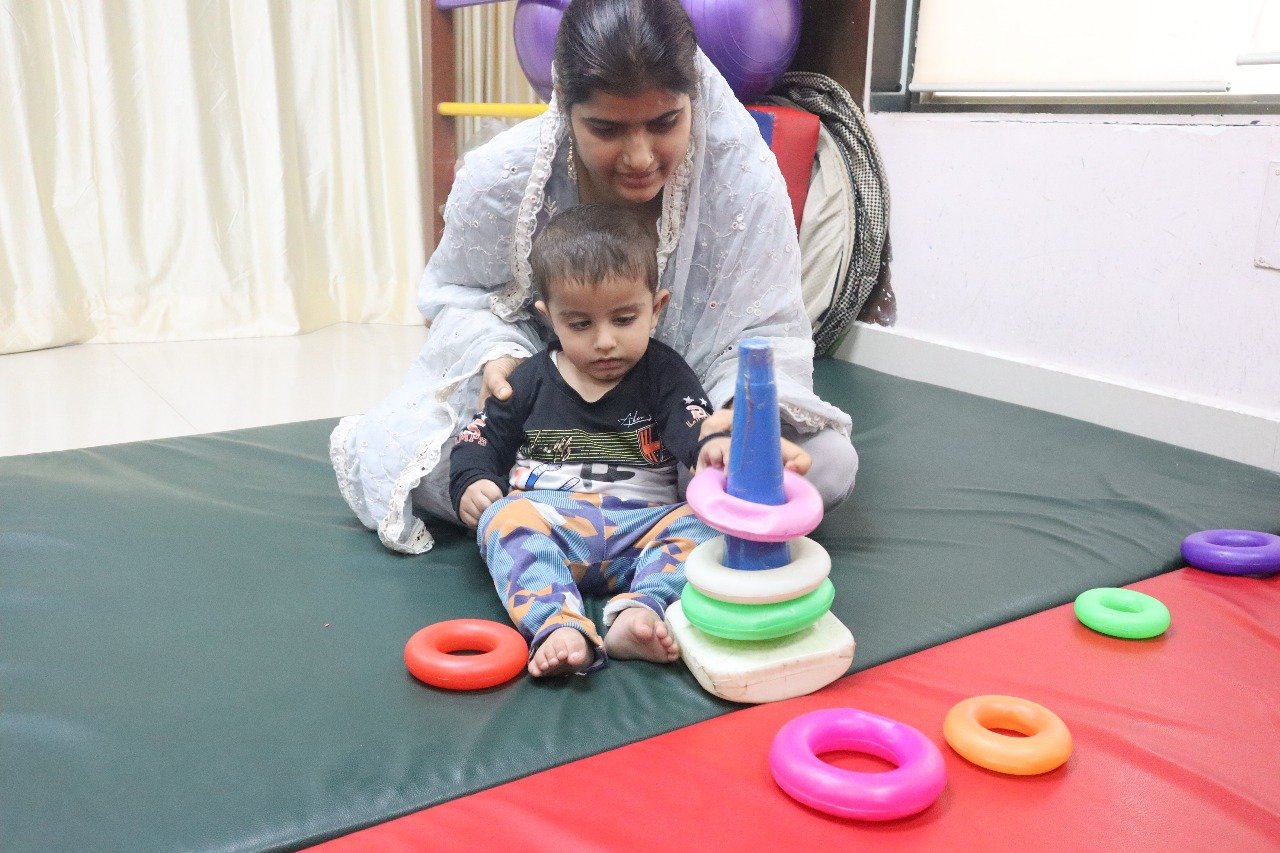
Behavioral Observation: Structured observation of the child’s behavior in clinical or natural settings (if needed).
Psychological Testing: Administration of age-appropriate, standardized assessments that evaluate emotional regulation, cognitive abilities, personality traits, attention span, learning styles, and social-emotional functioning.
Teacher and Parent Reports: Gathering feedback through rating scales and questionnaires from caregivers and educators to get a holistic picture of the child’s behavior across environments.
Diagnostic Interpretation: A careful and ethical analysis of the collected data by a qualified psychologist to arrive at a clear diagnosis or clinical impression.
Once the assessment is complete, a comprehensive report is prepared, and a feedback session is held with parents to explain the findings in simple, actionable terms. Based on the results, personalized recommendations are made for therapy, behavioral strategies, academic support, or referrals to other professionals if needed (e.g., neurologists, speech therapists, occupational therapists).
Early and accurate diagnosis allows for timely intervention, improving the chances of positive long-term outcomes. It also helps reduce confusion, guilt, or blame within families, empowering them with clarity and direction.
Our goal is to support the emotional and behavioral development of each child with empathy, expertise, and evidence-based care—ensuring every child has the chance to thrive.