There is no item in your cart

CCognitive Behavioral Therapy (CBT) is a highly effective, evidence-based psychological treatment that focuses on the connection between thoughts, feelings, and behaviors. It is widely used to treat a variety of emotional, psychological, and behavioral conditions in children, adolescents, and adults. CBT is structured, goal-oriented, and problem-focused, making it one of the most researched and successful therapeutic approaches worldwide.
At its core, CBT is based on the idea that our thoughts significantly influence our emotions and actions. Negative or distorted thinking patterns can lead to emotional distress and unhelpful behaviors. CBT helps individuals become aware of these patterns and teaches them how to challenge and replace them with more realistic, balanced thoughts, leading to healthier emotional and behavioral outcomes.
CBT is commonly used to treat anxiety disorders, depression, stress, low self-esteem, phobias, obsessive-compulsive disorder (OCD), post-traumatic stress disorder (PTSD), eating disorders, anger issues, and sleep problems. In children and adolescents, CBT is also effective in managing academic stress, social anxiety, behavioral issues, and emotional regulation difficulties.
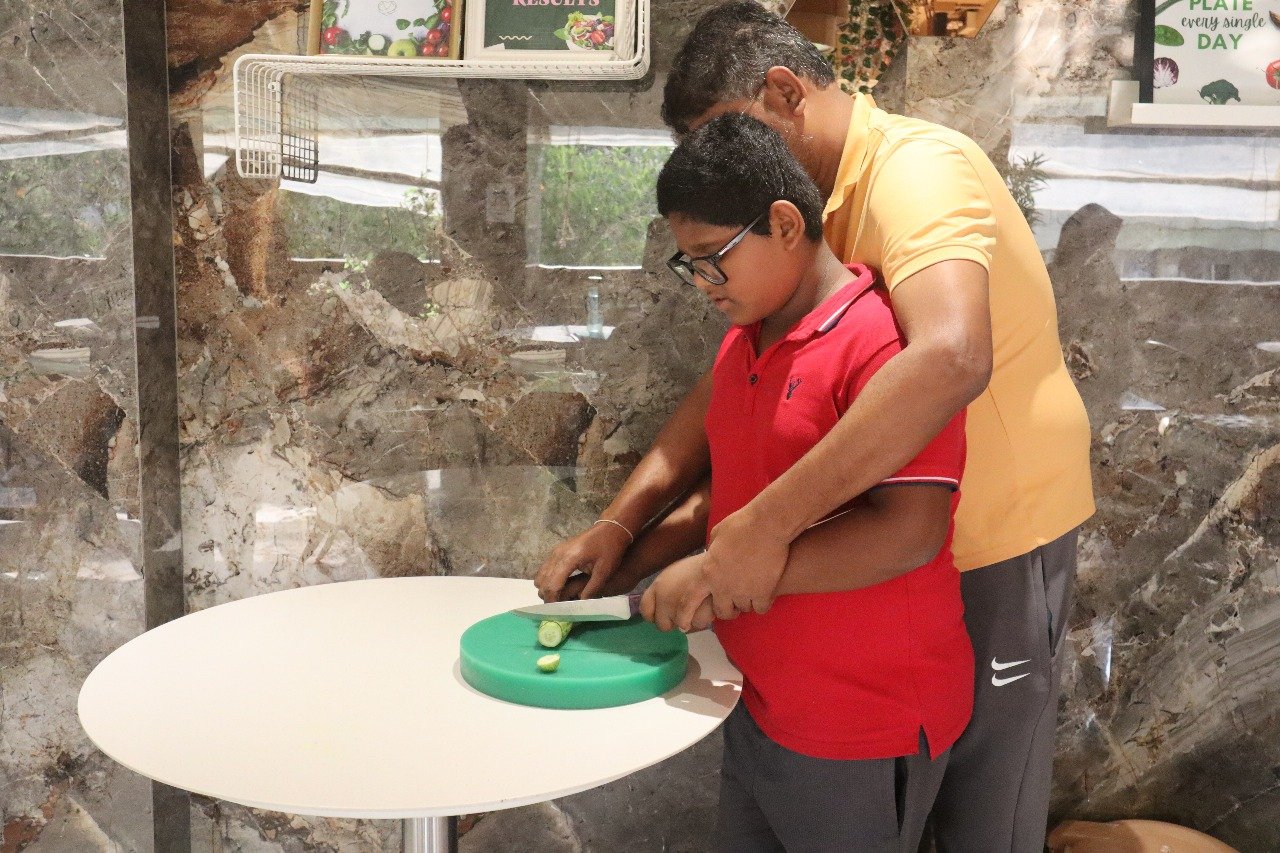

The therapy process begins with an assessment to understand the client’s challenges and set achievable goals. CBT sessions are typically structured and time-limited, often ranging from 8 to 20 sessions depending on the concern. During sessions, the therapist works collaboratively with the client to identify negative thinking patterns, evaluate their accuracy, and replace them with healthier alternatives. Clients also learn coping strategies such as relaxation techniques, problem-solving, emotion regulation, and assertive communication.
CBT often includes homework assignments, such as journaling or practicing new skills in real-life situations, to help reinforce learning between sessions. These tasks encourage clients to apply what they’ve learned and gain confidence in managing their thoughts and behaviors independently.
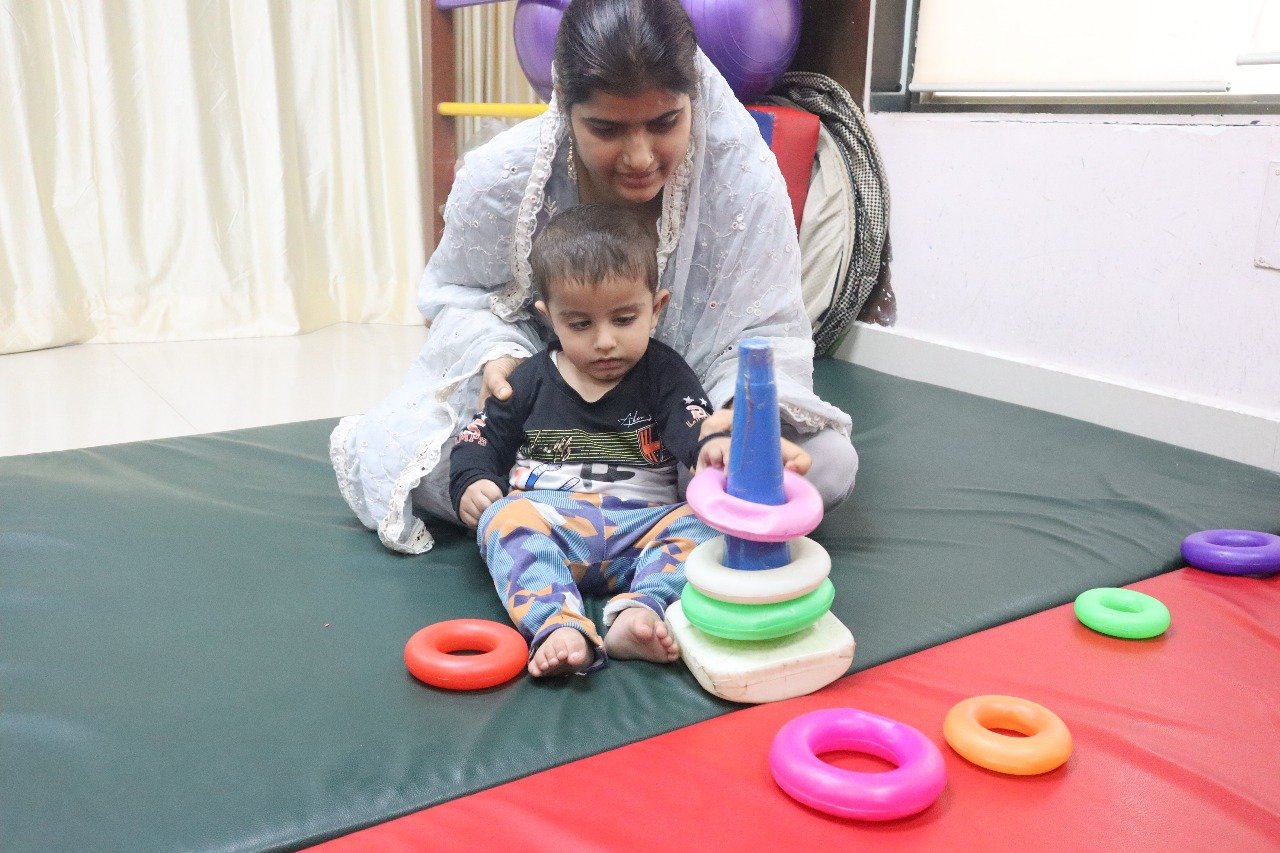
For children and teens, CBT is adapted to be age-appropriate, using visual aids, games, stories, and role-plays. Parental involvement is often encouraged to help reinforce strategies at home and track progress.
One of the strengths of CBT is that it empowers individuals with practical tools they can use beyond therapy. By developing self-awareness and resilience, clients become better equipped to handle life’s challenges, reduce emotional distress, and improve overall well-being.
CBT is a transformative approach that promotes long-lasting change by helping individuals break the cycle of negative thinking and build a healthier, more positive mindset.