There is no item in your cart

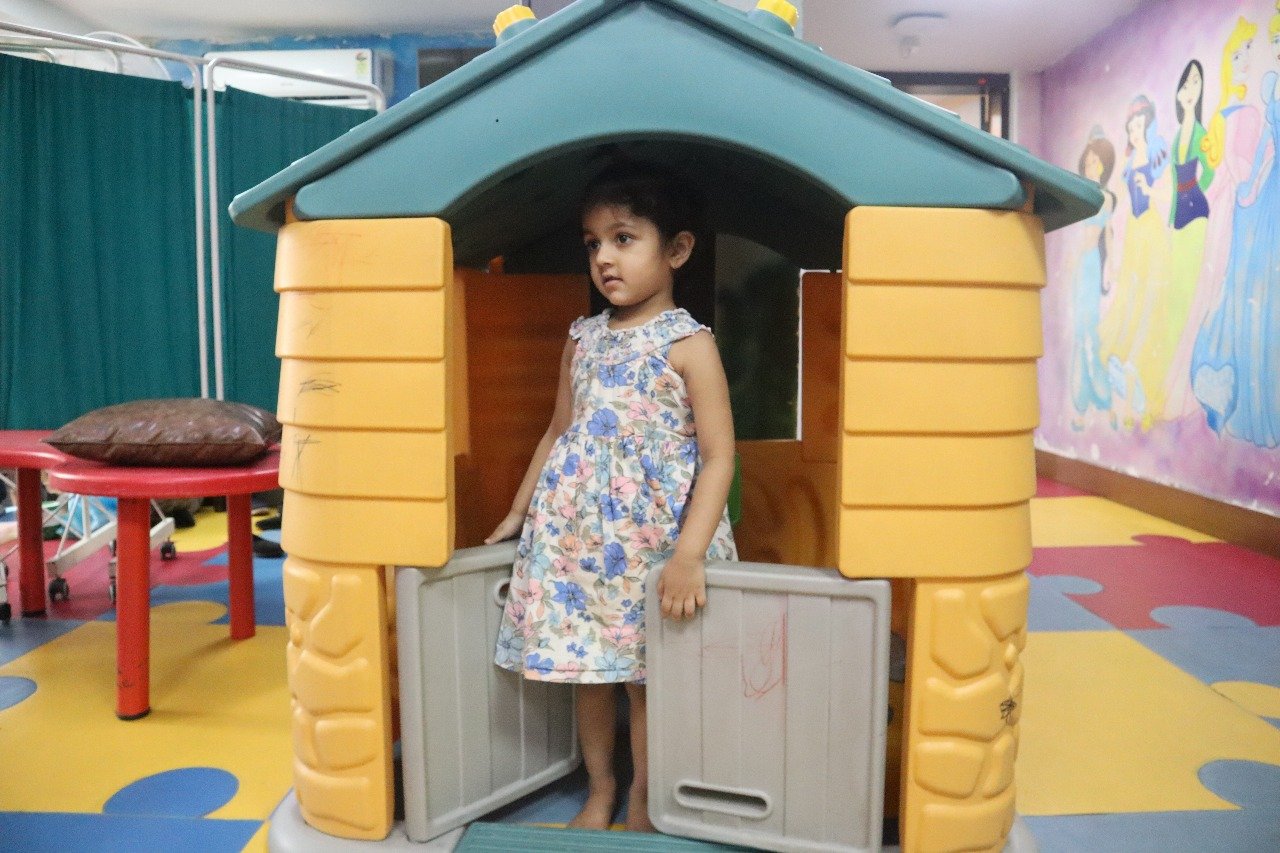
PPlay Therapy is a specialized therapeutic approach designed to help children express their thoughts, feelings, and experiences through play—a natural medium of communication for young minds. When children face emotional or behavioral challenges, they often struggle to articulate their concerns verbally. Play therapy provides a safe, child-friendly space where they can process their emotions and experiences in a way that feels familiar and non-threatening.
This form of therapy is especially beneficial for children aged 3 to 12, though it can also be adapted for older children with developmental delays or trauma histories. It is used to address a wide range of issues including anxiety, depression, anger, trauma, grief, ADHD, autism spectrum disorders (ASD), social difficulties, behavioral issues, family separation, abuse, and academic stress.
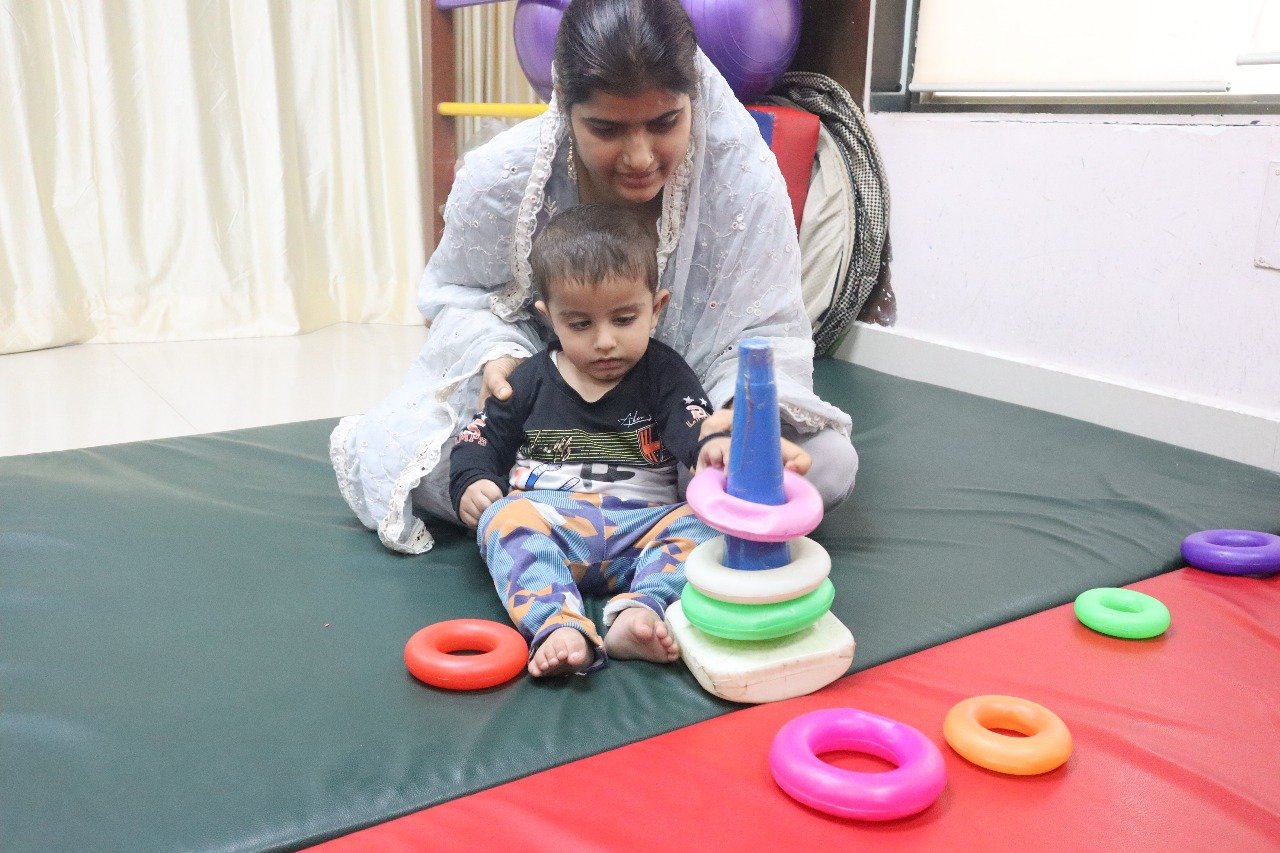
During sessions, trained therapists observe the child’s play to gain insights into their emotional world and behavioral patterns. They may use tools such as dolls, puppets, art materials, sand trays, blocks, story-telling, and games. Through these mediums, children can explore fears, re-enact life experiences, release pent-up emotions, and learn new coping skills.
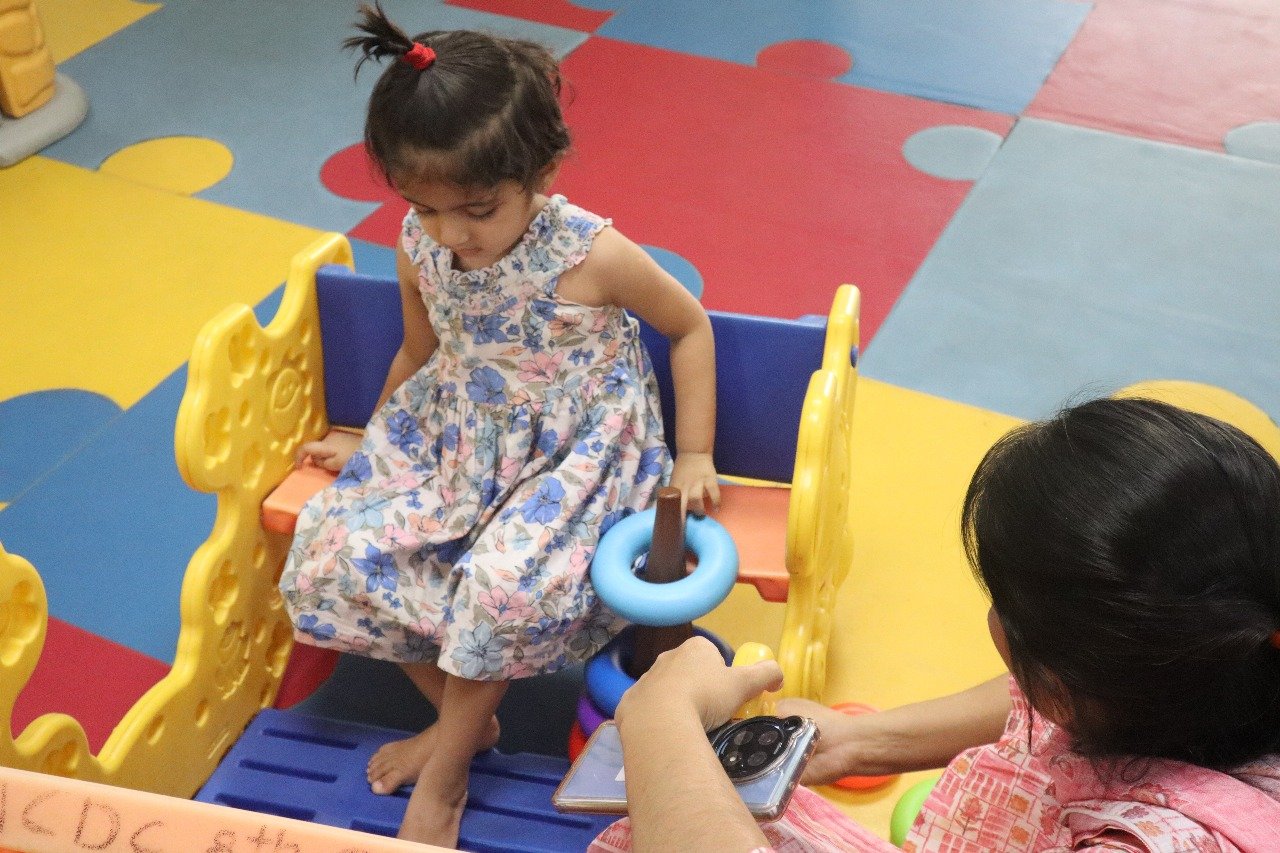
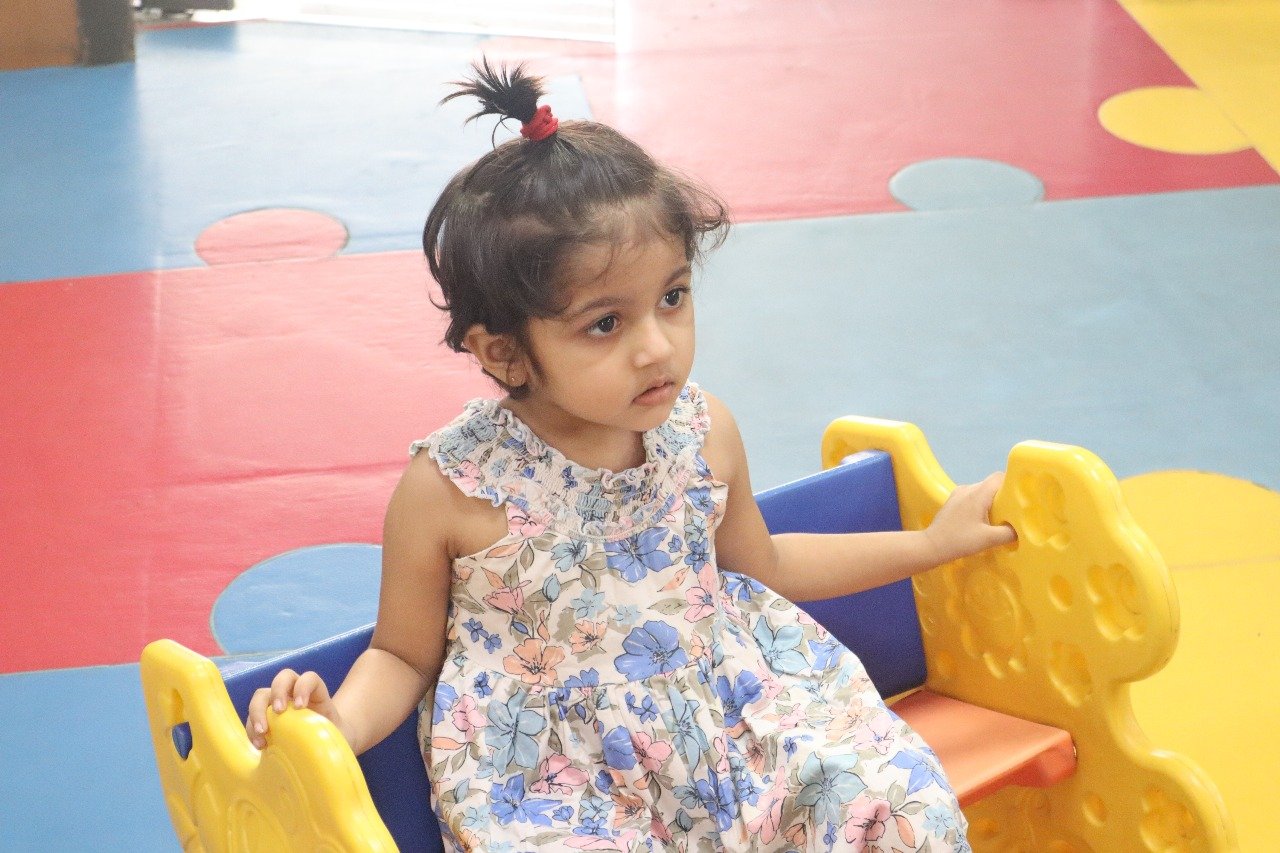
There are various types of play therapy, including non-directive (child-centered) play therapy, where the child leads the session at their own pace, and directive play therapy, where the therapist guides the child using specific activities or scenarios to target certain issues. Both approaches aim to build trust, promote emotional expression, enhance problem-solving, and improve relationships with peers and family members.
Parents are often included in the therapy process through consultations and joint sessions, depending on the child’s needs. This collaboration ensures that strategies and insights from therapy are reinforced at home and school. Therapists may also work in partnership with teachers, caregivers, and pediatricians for a holistic support system.
The goals of play therapy include improving emotional understanding and regulation, developing social skills, resolving inner conflicts, and building self-confidence. Over time, children typically show better adjustment, reduced symptoms, and a stronger sense of self.
Play therapy is not just about play—it's about healing, communication, and growth. It gives children the tools and space to understand themselves and their world, fostering emotional resilience and healthy development in a compassionate, creative, and therapeutic setting.